
Safety, Standards, and Dentist Credentials in Tijuana: A Complete Guide
The most common question American and Canadian patients ask is: “Is it safe to get dental work in Tijuana?”
The short answer is yes, absolutely—provided you understand how the industry is regulated and know how to choose a qualified professional. In this guide, we will pull back the curtain on dental safety standards in Mexico, explain how Tijuana’s top clinics are regulated, and give you a step-by-step checklist to verify any dentist’s credentials before you book an appointment.

How Dental Care is Regulated in Mexico
- COFEPRIS (The Mexican FDA): The Comisión Federal para la Protección contra Riesgos Sanitarios (COFEPRIS) is the federal agency responsible for regulating healthcare facilities, medical devices, and pharmaceuticals in Mexico. COFEPRIS conducts rigorous, unannounced inspections of dental clinics to ensure they comply with sanitation, waste disposal, and sterilization laws.
- The Ministry of Health (Secretaría de Salud): This government body oversees medical licensing and ensures that clinics adhere to strict operational standards, including the proper management of dental x-ray equipment and biohazardous waste.
- The Mexican Dental Association (ADM): The Asociación Dental Mexicana (ADM) is the national professional organization that promotes high ethical standards, continuing education, and certification for dentists across the country.
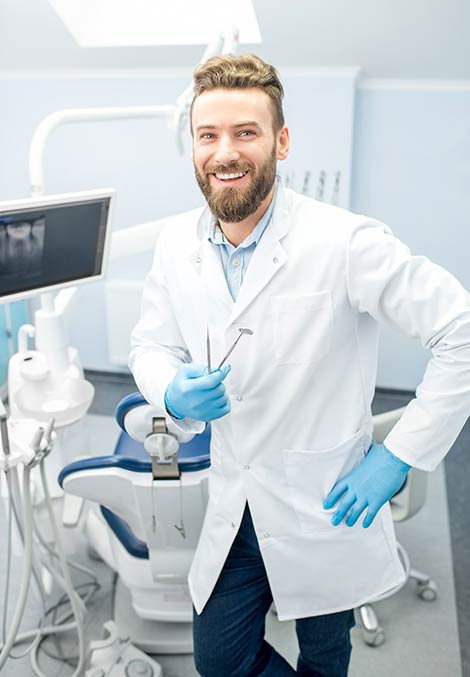
Decoding Mexican Dentist Credentials in Tijuana: What Do They Mean?
1. General Dentist: Cirujano Dentista
2. Professional License: Cédula Profesional
Important: A reputable dentist will always display their Cédula Profesional number on their website, business cards, or office walls. This number allows anyone to verify their license status online through the official Mexican government registry.
3. Specialists (Postgraduate Degrees)
For complex procedures like dental implants, root canals, or full-mouth restorations, you should look for a specialist. In Mexico, a general dentist must complete an additional 2 to 4 years of university-based postgraduate residency to specialize. They are then issued a separate Cédula de Especialidad (Specialty License) in fields such as:
-
Maxillofacial Surgery (Cirugía Maxilofacial) – For complex extractions and implant surgeries.
-
Periodontics (Periodoncia) – For gum health and dental implant placement.
-
Endodontics (Endodoncia) – For root canals.
-
Prosthodontics (Rehabilitación Oral / Prótesis) – For crowns, bridges, veneers, and All-on-4 restorations.
How to Verify a Tijuana Dentist’s Credentials Online (Step-by-Step)

To ensure you are working with a legitimate, licensed professional, follow this verification checklist:
- Ask for the “Cédula Profesional” Number: Do not hesitate to email or call the clinic and ask for the general license number of the dentist who will be treating you. If they refuse to provide it, walk away.
- Verify on the Mexican Government Portal: Go to the official Mexican registry website (we will provide direct links to the Cédula Profesional search portal on our resources page). Enter the dentist’s first and last names. The system will display their official degree, the university they graduated from, and their license number.
- Look for US and International Affiliations: The top dentists in Tijuana frequently cater to American patients and choose to join respected international organizations. Look for memberships in:
- Check Board Certifications: For specialists, check if they are board-certified by their respective Mexican national councils, such as the Consejo Mexicano de Periodoncia or the Consejo Mexicano de Implantología Oral.
Clinical Standards: Sterilization, Materials, and Technology.
Safety is not just about the dentist’s degree; it is also about the daily protocols inside the clinic. The top dental clinics in Tijuana utilize safety measures that often equal or exceed those found in standard US practices.
- FDA-Approved Materials: Reputable Tijuana clinics do not use cheap, generic imprints. They import their materials directly from leading global dental suppliers in the US, Switzerland, and Germany. They use titanium implants from world-renowned brands like Straumann, Nobel Biocare, and Zimmer Biomet, and premium ceramics like IPS e.max and high-grade Zirconia.
- Class-B Autoclave Sterilization: Modern clinics use hospital-grade autoclave sterilizers that use high-pressure steam to eliminate 100% of bacteria, viruses, and spores. Many clinics have open-concept sterilization rooms where patients can see the packaged, sterile instruments being prepared.
- Digital Low-Radiation X-Rays & 3D CT Scanners: Digital imaging reduces radiation exposure by up to 90% compared to traditional film x-rays. Tijuana’s top-tier offices use 3D Cone Beam Computed Tomography (CBCT) scanners for pinpoint accuracy during implant surgeries, virtually eliminating the risk of nerve damage.
Red Flags to Avoid When Choosing a Clinic in Tijuana.
While Tijuana has some of the best dental clinics in North America, it also has clinics that cut corners. Be on the lookout for these warning signs:
- Prices That Are “Too Good to Be True”: While Tijuana is highly affordable, if a clinic offers a dental implant for $500, they are likely using low-quality, non-FDA-approved materials, or the procedure is not being performed by a certified specialist.
- Lack of Transparency About Who Does the Work: A clinic should be proud of its dental staff. If their website does not list their dentists’ full names, credentials, and biographies, this is a major red flag.
- Vague Warranty Policies: A top-tier clinic will stand behind their work with written guarantees. Always ask: What happens if a crown chips or an implant fails? Will you cover the cost of the replacement work?
- High-Pressure Sales Tactics: Healthcare should never feel like a high-pressure sales pitch. If a coordinator is pressuring you to pay upfront or book immediately, take a step back.